All Categories
Featured
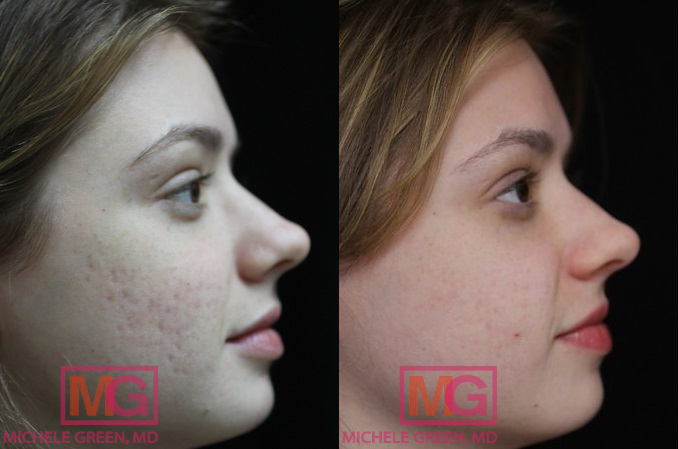
Evaluating Chemical Peels for Revitalizing Mature Skin
Table of Contents
The beta peel is used to treat acne in both younger and older clients. It utilizes salicylic acid to exfoliate the skin, aid with oil control, and target the bacteria that triggers acne. The Vitalize peel includes citric, lactic and salicylic acids, plus a retinol layer, to enhance the quality and lighten the pigmentation of your skin.
Utilizing a formula of acids, the pigment balancing peel is developed to lighten the pigment of the skin. This process takes time, and you require to utilize sun block for the pigment balancing peel to have the wanted result.
Dermal Fillers LansingThis treatment can assist to eliminate abnormal skin cells. There are substantial cosmetic advantages to this treatment also. Chemical peels need to be performed in a series of three to six peels. For the best outcomes, we advise a series of 6 peels, three weeks apart. Depending upon the type of peel, you might observe a moderate tingling feeling or feel heat on the skin.
Broadband Light Laser Results: What to Expect
By the 2nd or 3rd day, you'll see peeling or flaking around the mouth and then the forehead. If you keep your skin well-hydrated, it will continue to peel for seven to 10 days. You need to also avoid the use of severe exfoliants or active cleansers (benzoyl peroxide or salicylic acid) for 2 weeks after your treatment.
There are diy chemical peels on the market, but it's always an excellent concept to see a qualified professional. If you want to discover what kind of chemical peel is best for you, please call us to schedule a consultation. Dr. R. Todd Plott is a board-certified skin doctor in Coppell, Keller, and Saginaw, TX.
In his extra time, Dr. Plott takes pleasure in biking, taking a trip with his wife, and costs time with his kids and new grandson. Find out more about Dr. Plott.
Chemical peels can assist you deal with a host of skin problems, including acne, wrinkles, and sun damage. However the very best chemical peel for your skin depends upon what your skin can handle and the issues you desire to fix. If you feel overwhelmed by the numerous peel choices available, use this guide to pick the best peel for your skin type and concerns.
How Microneedling Fades Textured Scars Effectively
There are 6 main types of healthy skin: Regular Skin: This is the perfect skin type balanced, even-toned, with minimal blemishes and a healthy radiance. It's not too oily or too dry and usually endures most skincare items pretty well. Sensitive Skin: People with sensitive skin are prone to redness, inflammation, and stinging.
Oily Skin: If your skin is glossy and oily with bigger pores, you're most likely handling oily skin. While it may be less susceptible to wrinkles, it can be more prone to breakouts. Dry Skin: This skin type lacks moisture and can appear flaky, rough, and tight. It's frequently more prone to noticeable fine lines and wrinkles.
Aging Skin: As we age, our skin naturally loses collagen and flexibility. Not sure what your skin type is?
Forecasting the Latest Dermal Rejuvenation Trends
If there's very little to no oil transfer on the blotting sheet, you have normal skin. If there's substantial oil transfer, particularly on the T-zone, your skin is the oily type.
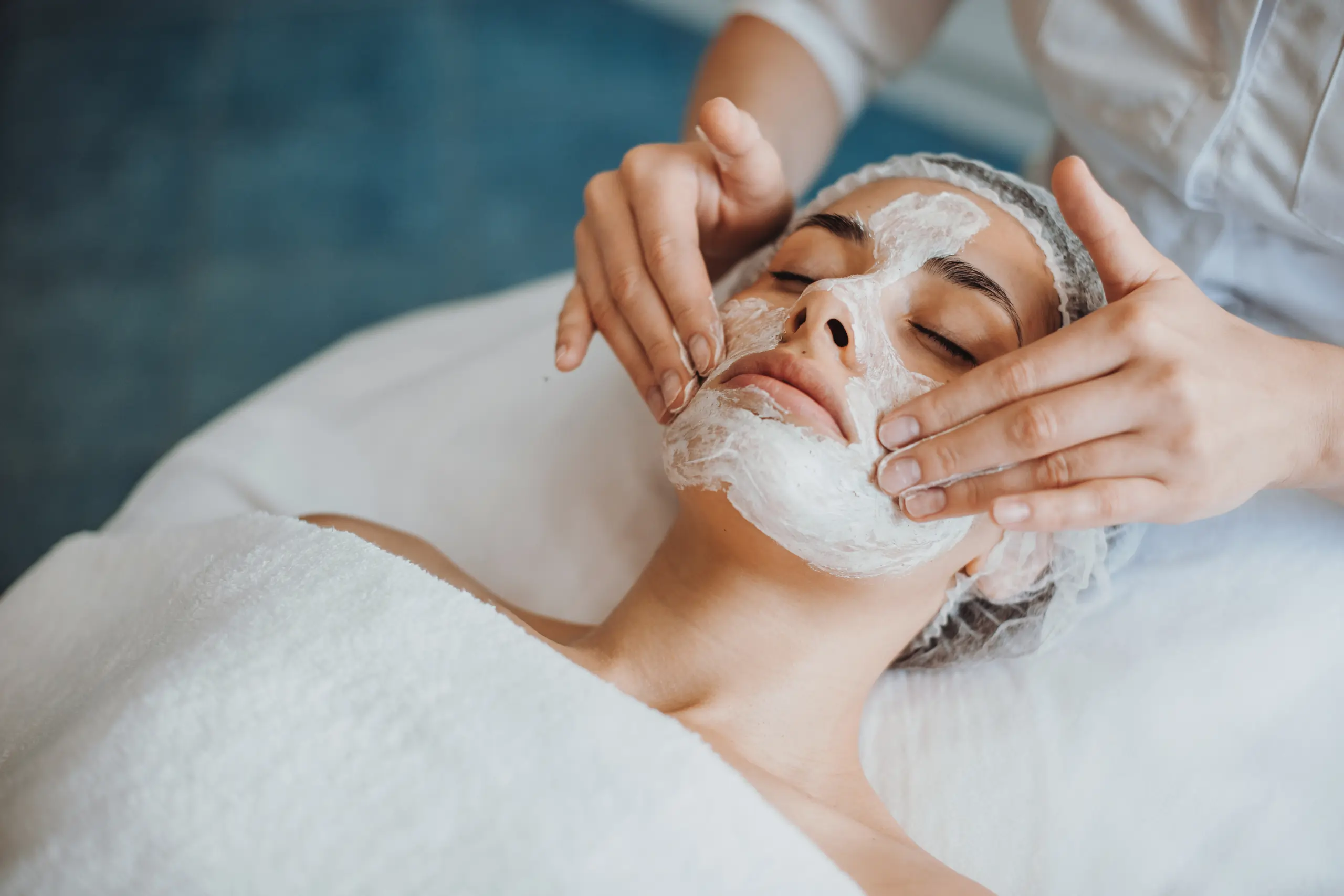
Chemical peels can be tailored based upon your skin type and goals. Use this as a basic standard for selecting your peel treatment. Light chemical peels are moderate and carefully shed off the external layer of the skin. They help remove great wrinkles, acne, dryness, and irregular complexion. Due to the fact that they are gentle, they are suitable for sensitive skin types and can offer a great radiance without triggering inflammation.

Latest Posts

Evaluating Photofacial Treatment Results for Aging Skin

Integrating Wedding Ready Skin Lansing into Your Aesthetic Journey

The Effect of PRP Injections on Modern Appeal