All Categories
Featured
The Effect of PRP Injections on Modern Appeal
Table of Contents
Integrating Hair Density into Facial Aesthetics in 2026
The meaning of facial restoration has moved considerably by 2026. While the early 2020s focused greatly on separated corrections-- filling a particular wrinkle or including volume to a single area-- the present approach highlights structural consistency. This evolution sees the face as a whole, where the hairline acts as the frame for every other function. Platelet-Rich Plasma (PRP) hair restoration has actually become a cornerstone of this viewpoint, bridging the gap between traditional dermatology and advanced hair sciences. When the hairline recedes or thins, it changes the proportions of the forehead and shifts the visual focus away from the eyes and mid-face. Resolving this through biostimulation is now considered as essential as skin care.
Those looking into Aqua Skincare often neglect the scalp, yet the density of hair at the temples and crown dictates how light hits the face. In 2026, specialists are seeing a surge in clients who wish to maintain their natural hair density before significant loss occurs. PRP therapy includes drawing a percentage of the client's own blood, concentrating the platelets through specialized centrifugation, and re-injecting the growth elements into the scalp. These proteins promote inactive hair follicles and extend the growth stage of the hair cycle. This autologous approach interest a demographic that prioritizes natural compounds over synthetic alternatives.
The Synergy of PRP and Modern Injectables
In 2026, the most effective visual plans rarely rely on a single modality. Instead, they combine PRP for hair with injectable treatments for the face to create a balanced profile. Neuromodulators and dermal fillers are regularly used to deal with the lines and volume loss that happen as we age, but these outcomes can look incomplete if the forehead is lengthened by a thinning hairline. By thickening the hair at the scalp line, the forehead remains in proportion with the lower two-thirds of the face. This produces a more vibrant silhouette that supports the work made with fillers in the cheeks or jawline.
Aqua Collagen and Elastin Care is regularly coupled with autologous treatments to make sure that skin texture and hair health improve at the exact same rate. Medical observations in 2026 suggest that when patients receive PRP for hair alongside their routine facial upkeep, the overall fulfillment rate increases. This is because the hair restoration supplies a subtle, "invisible" improvement that makes other visual enhancements look more genuine. It avoids the "done" look by concentrating on biological health instead of simply mechanical filling. The 2026 client is knowledgeable and generally looks for these multi-layered procedures to achieve a renewed look that does not shriek for attention.
Advanced Laser Treatment and Scalp Health
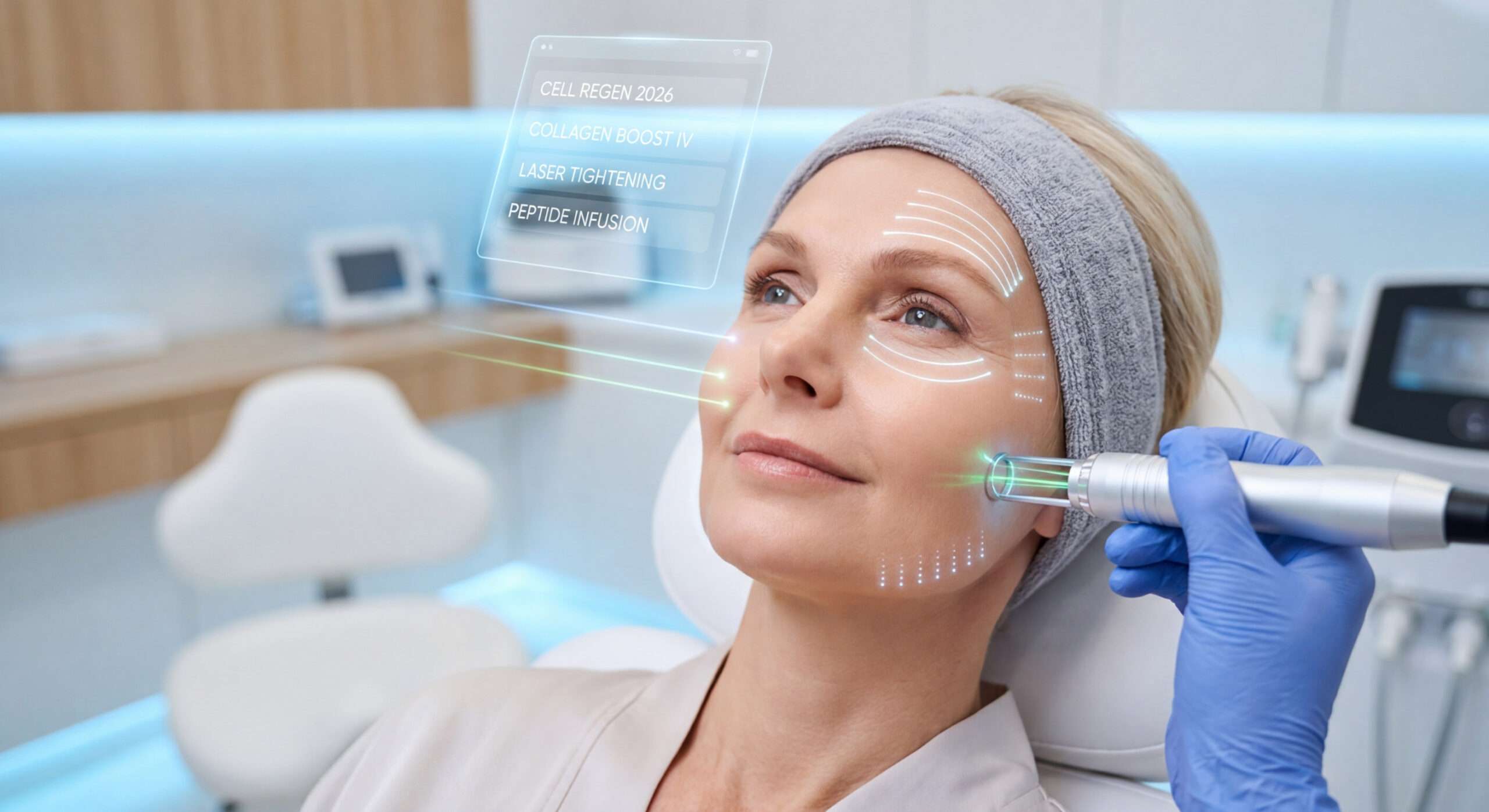
Laser technology has actually likewise found a home alongside PRP in the 2026 aesthetic suite. High-end clinics in Michigan typically utilize low-level laser therapy (LLLT) or fractional laser treatments to prep the scalp before PRP injections. The laser produces micro-channels or increases local blood circulation, which may assist the scalp better receive the concentrated development aspects. Likewise, on the face, laser resurfacing is used to clear sun damage and tighten the skin. When the skin is clear and the hair is thick, the light reflection off the face is more consistent, which is a key sign of health and vigor.
The integration of laser therapy is particularly relevant for locals in the Lansing area who deal with considerable seasonal changes. The severe winters in the Great Lakes region can cause dry, breakable hair and dull skin. Utilizing lasers to stimulate the deeper layers of the dermis while PRP nourishes the roots assists preserve a constant appearance year-round. Modern 2026 systems are more exact than ever, enabling treatments that need practically no downtime. A patient can go to a center in the surrounding area throughout a lunch hour and go back to their routine without the redness or swelling associated with older technologies.
Picking Integrated Care in Central Michigan
Location often dictates the particular needs of a visual client. In locations like Haslett or Grand Ledge, the outside lifestyle suggests more direct exposure to the components, which can speed up the aging of both skin and hair. Numerous clients looking for Aqua for Patients are surprised by the synergistic effects of a comprehensive plan. Rather of checking out different professionals for skin and hair, the pattern in 2026 is towards consolidated care. This makes sure that the visual goals for the scalp line up with the goals for the facial structure.
The cost and time commitment for these procedures have actually become more workable in 2026. While a single PRP session takes about 45 minutes, the outcomes are cumulative. Many procedures include three to four preliminary treatments spaced about a month apart, followed by upkeep check outs every six months. This schedule fits well with the lifestyle of busy experts in East Lansing or Dewitt who require outcomes that are both reliable and effective. Because PRP uses the body's own resources, the danger of allergic response is virtually nonexistent, making it a safe entry point for those new to medical aesthetics.
The Future of Biostimulation and Growth Elements
Looking ahead from 2026, the field of biostimulation shows no signs of slowing down. We are moving away from momentary fixes and toward treatments that encourage the body to fix itself. PRP is the lead of this movement. By focusing on the health of the roots and the quality of the skin all at once, professionals can provide a level of restoration that was impossible a years back. The focus remains on the "frame and the canvas"-- the hair and the skin interacting to present the best variation of the person.
Aesthetics in 2026 is specified by the lack of obvious intervention. The objective is to look well-rested, healthy, and genetically blessed. PRP hair restoration supplies the structural foundation for this look by ensuring the hairline remains where it belongs. When integrated with the precision of modern injectables and the clearness offered by laser treatment, it offers a complete solution for facial harmony. For those in the local market, accessing these 2026-standard treatments means embracing a future where aging is managed with science, subtlety, and a deep regard for natural anatomy.

Latest Posts

Evaluating Photofacial Treatment Results for Aging Skin

Integrating Wedding Ready Skin Lansing into Your Aesthetic Journey
The Effect of PRP Injections on Modern Appeal